How to Read a Fishing Forecast for Better Catches
%2Ffit-in%2F300x300%2Fusers%2F8136df2e-0db2-48af-b55e-d4df4d5a5de5%2Fprofile%2F1730310008984captainrich.webp&w=128&q=75)
Tuna Wahoo Charters · West Palm Beach, FL, United States
 Published: Sep 16, 2026
 8 min read
How to Read Fishing Forecasts: Weather Patterns That Guarantee Better Catches
Every successful angler knows that checking the fishing forecast isn't just about avoiding rain—it's about understanding the complex dance between weather systems and fish behavior. While novice anglers might glance at temperature and precipitation, experienced fishermen dive deeper into barometric pressure readings, wind patterns, and atmospheric changes that trigger feeding frenzies or send fish into hiding. The difference between a productive day on the water and going home empty-handed often comes down to interpreting these meteorological clues correctly.
Understanding Barometric Pressure: The Hidden Key to Fish Activity
Barometric pressure stands as the most critical element in any reliable fishing forecast, yet it's often overlooked by casual anglers. Fish possess swim bladders that act as internal barometers, making them incredibly sensitive to atmospheric pressure changes. When pressure drops rapidly—typically 24 to 48 hours before a storm system arrives—fish often feed aggressively to prepare for the upcoming weather disturbance.
The sweet spot occurs when pressure reads between 29.70 and 30.40 inches of mercury and remains stable. During these periods, fish exhibit normal feeding patterns and respond well to various fishing techniques. However, when pressure drops below 29.70 inches, predatory fish like bass, pike, and walleye become noticeably more active, often moving into shallower water to hunt.
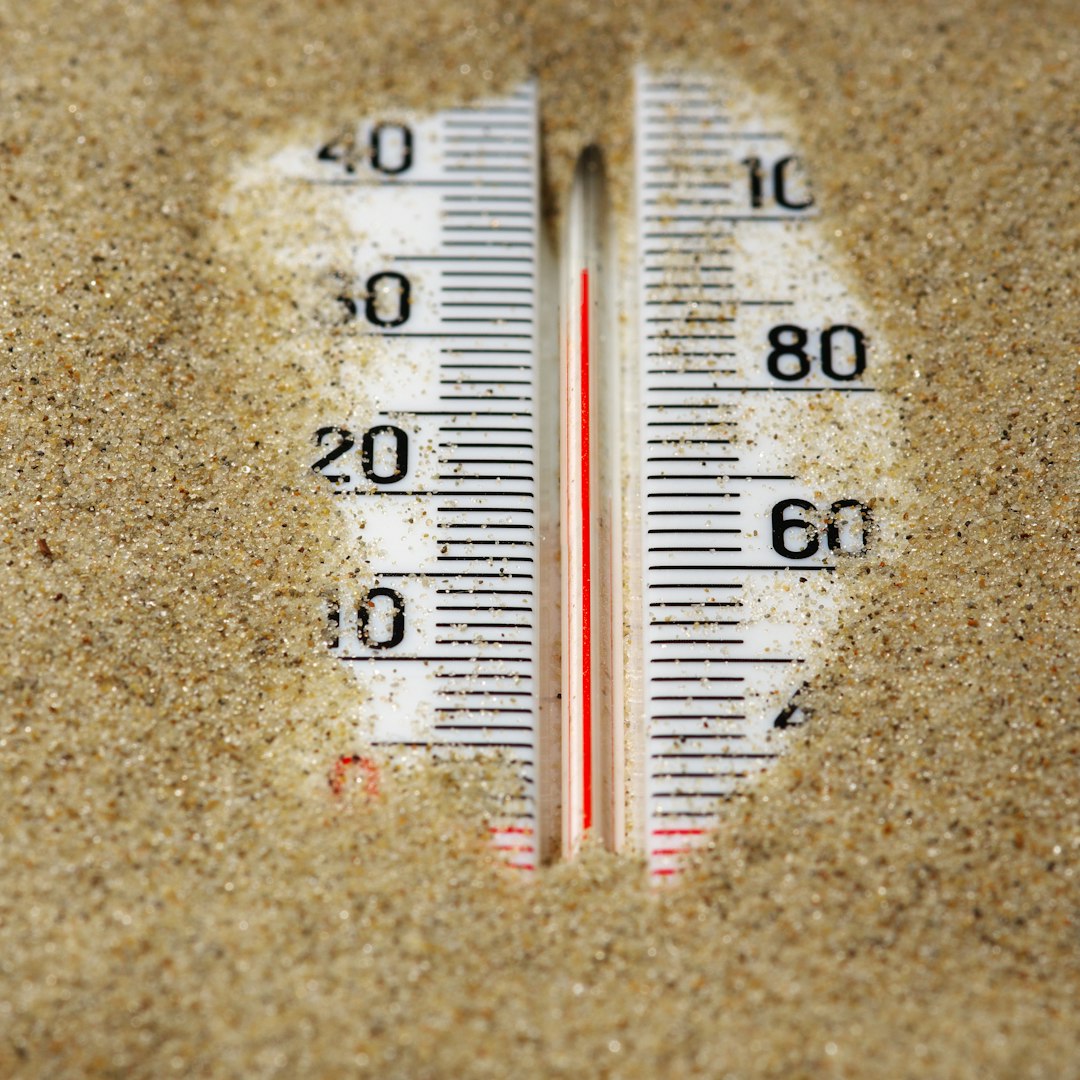
Conversely, rapidly rising pressure after a storm passes creates challenging conditions. Fish become lethargic and retreat to deeper water or heavy cover. Smart anglers adjust their approach during high-pressure systems by slowing their presentations and targeting structure where fish seek stability.
Wind Patterns and Their Impact on Fish Behavior
Wind direction and velocity create ripple effects throughout aquatic ecosystems that savvy anglers learn to exploit. A quality weather forecast for fishing reveals these patterns days in advance, allowing you to position yourself advantageously. South and southwest winds typically bring warmer air masses, raising water temperatures and stimulating baitfish activity near the surface.
North and northwest winds often signal cooler conditions and increased oxygen levels, particularly beneficial for cold-water species like trout and salmon. These winds also create current breaks and concentrate baitfish along windward shores, drawing larger predators into accessible fishing zones.
Moderate winds between 5-15 mph prove ideal for most fishing situations. They oxygenate the water, create surface disturbance that masks angler presence, and establish productive drift patterns for boat fishing. However, winds exceeding 20 mph typically scatter baitfish and make precise presentations difficult.
Temperature Trends and Seasonal Transitions
Water temperature drives fish metabolism, feeding schedules, and habitat preferences more than any other single factor. An accurate angling weather report tracks not just current temperatures but trending patterns over several days. Fish respond more to temperature stability and gradual changes than absolute readings.
Spring warming periods trigger spawning migrations and aggressive feeding behavior. Fish move from deep winter sanctuaries toward shallower spawning areas, creating exceptional opportunities for anglers who time these movements correctly. Fall cooling periods produce similar results as fish feed heavily before winter dormancy.
Rapid temperature swings—more than 10 degrees in 24 hours—typically shut down fish activity regardless of season. During these unstable periods, focus on deeper water where temperatures remain more consistent, and slow your presentation significantly.
Cloud Cover and Light Penetration Effects
Overcast skies create some of the most productive fishing conditions, particularly for species that avoid bright sunlight. Cloud cover reduces light penetration, encouraging fish to venture from cover and feed throughout the day rather than just during dawn and dusk periods.
Partly cloudy conditions with intermittent sun and shade often trigger the most aggressive strikes. The changing light levels disorient baitfish and create ambush opportunities for predators. These conditions appear frequently in quality fishing weather predictions during transitional seasons.
Bright, sunny skies push many species deeper or under cover, requiring anglers to adjust their tactics accordingly. Focus on shaded areas, deeper structure, and use darker lures that create stronger silhouettes against the bright surface.
Timing Your Trips with Frontal Systems
Weather fronts create the most dramatic changes in fish behavior, making front timing crucial for planning successful trips. Cold fronts typically arrive with dropping temperatures, rising pressure, and clearing skies. While these conditions challenge anglers, the 12-24 hours before a front arrives often produce exceptional fishing as pressure drops and fish feed aggressively.
Warm fronts move more slowly and create extended periods of stable, productive conditions. These systems bring gradual warming, steady pressure, and consistent weather patterns that allow fish to establish predictable feeding routines.
The most productive period often occurs during the transition between systems—when one front moves out and conditions stabilize before the next system arrives. These brief windows of opportunity reward anglers who monitor weather patterns closely and remain flexible with their schedules.
Practical Application: Reading Multi-Day Patterns
Professional guides don't just check tomorrow's fishing forecast—they analyze 5-7 day patterns to identify optimal fishing windows. This extended view reveals pressure trends, temperature stability, and frontal timing that single-day forecasts miss completely.
Look for periods when pressure remains stable for 2-3 consecutive days following a gradual decline. These conditions often coincide with the best fishing opportunities. Similarly, identify days when wind direction remains consistent, allowing baitfish populations to stabilize and predators to establish hunting patterns.
If you're planning your next fishing adventure and want to maximize your time on the water, consider booking a guided trip where local experts use their intimate knowledge of weather patterns and fish behavior to put you on the best action of the season.
Advanced Forecasting Tools and Resources
Modern anglers have access to sophisticated weather data that previous generations couldn't imagine. Marine weather services provide detailed wave heights, surface temperatures, and atmospheric pressure readings updated hourly. Satellite imagery reveals cloud formation patterns and storm development in real-time.
Barometric pressure apps allow you to track trends over multiple days and set alerts for optimal fishing conditions. Many experienced anglers maintain pressure logs alongside their fishing journals, documenting the correlation between atmospheric conditions and fish activity patterns.
Regional weather services often provide specialized marine forecasts that include water temperature trends, wind wave predictions, and small craft advisories. These resources prove particularly valuable for planning multi-day fishing trips where weather conditions may change significantly.
Mastering the art of reading fishing forecasts transforms average anglers into consistently successful fishermen. By understanding how barometric pressure, wind patterns, temperature trends, and frontal systems influence fish behavior, you'll spend more time fighting fish and less time wondering why they aren't biting. The investment in learning these weather-reading skills pays dividends every time you hit the water, turning unpredictable fishing trips into calculated opportunities for success.